
11 Years of Transforming Lives with Clean Water
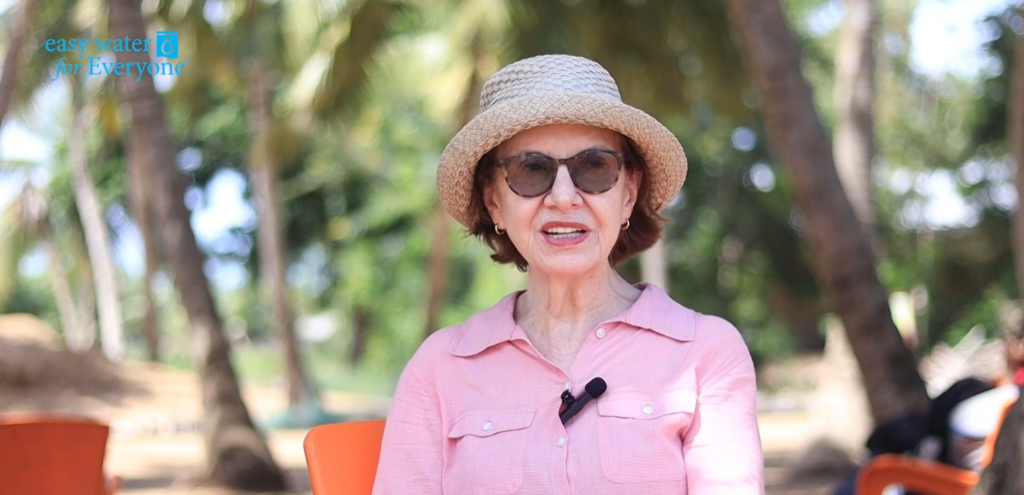
For 11 years, this journey has been made possible by people who believed, gave, served, partnered, encouraged, and walked with us. As we celebrate this important milestone, we invite you to watch a special video interview with Linda L. Donald, Co-founder of Easy Water for Everyone, as she shares a heartfelt message of gratitude to the donors, supporters, partners, volunteers, community leaders, staff, and friends who have stood with EWfE over the years. Since beginning operations in 2015, EWfE has reached 40,000+ people in more than 52 communities across Ghana, Senegal, and Uganda, helping provide safe water through our Gravity Water Stations. Together, we have supported families, schools, health centers, women, children, and last-mile communities where clean water is not just a need, but a lifeline. This anniversary is both a celebration and a reminder: Every community reached, every life touched, and every drop of clean water delivered has been made possible because someone cared enough to act. As EWfE enters a new phase of growth, we remain committed to strengthening sustainability, accountability, research, and long-term service delivery through initiatives such as Pay-to-Fetch, AquaCare Solutions, and partnerships with stakeholders in the Water, Sanitation, and Hygiene (WASH) sector. To everyone who has walked this journey with us, thank you. Your generosity has helped turn compassion into action, and action into lasting impact. The journey continues, and many more communities are still waiting. Donate, and share our Story with friends and family.
10th Anniversary Celebrations: Round Table Discussion On Pay-To-Fetch Model In Last-Mile Communities- Lessons and Path Forward
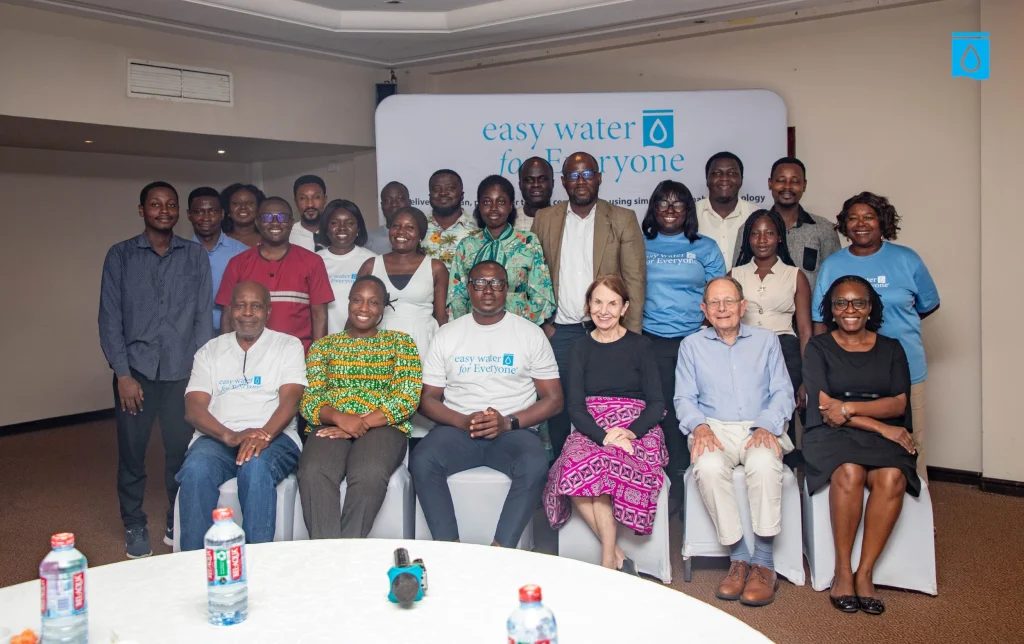
This report presents a comprehensive account of the Round Table Conversation on the Pay-to-Fetch Model in Last-Mile Communities, held on May 13, 2025, at the African Regent Hotel, Accra. Organized by Easy Water for Everyone (EWfE) in partnership with key stakeholders, the session marked an important milestone in the ongoing effort to deliver sustainable water solutions to underserved communities in Ghana. The round table provided an inclusive platform for dialogue, reflection, and strategic thinking among government officials, development partners, NGOs, and private sector actors Read Full Report
Public Health Benefits of Water Purification Using Recycled Hemodialyzers in Developing Countries
Jochen G. Raimann, Joseph Marfo Boaheng, Philip Narh, Seth Johnson, Linda Donald, Hongbin Zhang, Nathan W. Levin BACKGROUND In rural regions with limited resources, the provision of clean water remains challenging. The resulting high incidence of diarrhea can lead to acute kidney injury and death, particularly in the young and the old. Membrane filtration using recycled hemodialyzers allows water purification. This study quantifies the public health effects. Between 02/2018 and 12/2018, 4 villages in rural Ghana were provided with a high-volume membrane filtration device (NuFiltration). Household surveys were collected monthly with approval from Ghana Health Services. Incidence rates of diarrhea for 5-month periods before and after implementation of the device were collected and compared to corresponding rates in 4 neighboring villages not yet equipped. Data of 1,130 villagers over 10 months from the studied communities were studied. Incidence rates showed a decline following the implementation of the device from 0.18 to 0.05 cases per person-month (ppm) compared to the control villages (0.11 to 0.08 ppm). The rate ratio of 0.27 for the study villages is revised to 0.38 when considering the nonsignificant rate reduction in the control villages. Provision of a repurposed hemodialyzer membrane filtration device markedly improves health outcomes as measured by diarrhea incidence within rural communities. METHODS Easy Water for Everyone (EWfE) is a 501(c)(3) non-profit, non-governmental organization (NGO) in the United States, Ghana (and with other countries in progress). With the help of local politicians and stakeholders a need for water purification in the estuary of the Volta River in Ghana was identified. For those living in this region the river is the main source for drinking water even though it is known to carry pathogens. Under the supervision of local committees and administrators, EWfE started to install and maintain a device in each of the villages. The chronological order was arbitrary and data collection was commenced on the islands around Ada Foah since 02/2018. Water purification method. The membrane filtration device (NUF500; NUFiltration, Israel), consists of a set of 8 hollow-fiber hemodialyzers, appropriate tubings and a faucet. These hollow fiber hemodialyzers in this project have been used as hemodialyzers once, then reprocessed and sterilized according to FDA/AAMI standards before installation into the water-purification device. Each hemodialyzer contains around 12,000 capillaries providing a membrane surface area of nearly 2 square meters per hemodialyzer. The membrane pore size is 0.003 µm, notably preventing passage of bacteria, parasites and notably also of pathogenic viruses. The output of pure water can be as high as 500 L/h when actively pumped into the device or up to 250 L/h passed into the device by gravity after being pumped into an overhead tank as used in this study. The pressure by gravity is caused by a height of about 12 feet from which the polluted water enters the eight dialyzers placed in parallel (see Fig. 1a, b). Contaminated river water enters the inside of the capillaries (“blood” compartment) while clean water collects outside of the capillaries (“dialysate” compartment in clinical hemodialysis). Only water (and dissolved salts) passes through the pores. Organic matter that accumulates on the inside of the capillary fibers needs to be rinsed away by intermittently reversing the pressures and filtering clean water back across the membranes (backwashing) through manual pumping. It takes less than 5 min for the backflow to change from dirty to clean appearance and then regain full efficiency for providing clean water. Data collection. Following the approval of our research project, embedded in the non-profit endeavor, by Ghana Health Services, we initiated data collection with trained local community members to support our endeavor. Next to demographic data and water results before and after passing through the filter, we collected data monthly from the heads of households on self-reported diarrhea events in 8 villages during the months February through November 2018. This was a subset of villages served by EWfE. In late June 2018, the hemodialyzer filtration devices became operational in 4 of these villages so that this ongoing monthly data collection started 5 months before the installation. It was concluded 5 months after the installation of the hemodialyzer filtration device. Simultaneously the same data was collected in the 4 villages without the device. For each village and each month, the count of diarrhea events and the number of persons exposed to the data collection were analyzed to estimate the monthly diarrhea incidence rates. Monthly data were summarized for each of the two groups of villages, the control group of 4 villages never exposed to the hemodialyzer water treatment and the group of 4 villages exposed to the water treatment during their second 5 months of the 10-months study period. This approach allowed comparison of the incidence rates during the first and second 5-months periods and incidence rate ratios (second/first 5 months) for the study group and the control group. Having this concomitant data allows us, in a univariate fashion, to use village populations as their own controls and consider the potential confounding effect of seasonality. RESULTS The results of water testing showed coliform bacteria at 558 CFU/100 mL in the source water (Volta River) and zero CFU in the filtrate water at the beginning of our installations in the villages of Big Ada. We studied 8 villages (4 were designated control villages and 4 were study villages) in rural Ghana. Table 1 shows the population characteristics of the study arms. Of the village populations studied in this cohort study, 11% and 8% were younger than 5 years of age and notably showed a remarkably high proportion of villagers (96% and 99%) had to resort to open defecation. Monthly diarrhea incidence rates averaged 0.18 counts per exposure month during the baseline period of the study villages and 0.11 for the same 5 months of the control group. During the first 5 months after the installation of the hemodialyzer filtration device, the rate reduced to 0.05, yielding a rate ratio for the study group of 0.28. For the control group the second 5 months gave an average
Decentralized water purification using membrane filtration reduces the incidence of diarrhea in communities in developing countries.
Jochen G. Raimann, Joseph Marfo Boaheng, Philip Narh, Seth Johnson, Linda Donald, Hongbin Zhang, Nathan W. Levin Background In rural communities in regions with limited resources the provision of clean water remains difficult. The only water available is that from rain collection, wells, streams and lakes. Fecal contamination of water is very common and results in a high incidence of diarrhea, subsequent acute kidney injury and mortality particularly in the very young and old. Membrane filtration is a practical solution to this problem and recent innovation allows membrane filtration using recycled dialyzers. We, Easy Water for Everyone, have attempted to quantify the systematic effect on health outcomes by providing clean water using a high-volume membrane filtration device with recycled dialyzers. Methods Between 06/2015 and 12/2018, 17 communities in rural Ghana (Ashanti-Ghana and Greater-Accra region; village size ranging in size from 5 to 591 people) were provided with high-volume membrane filtration devices (NUF 500; NuFiltration using recycled dialyzers). Health data from household surveys and chart review in local healthcare facilities were collected with approval from Ghana Health Services. Specifically, data was collected on gastrointestinal disease, acute kidney injury and therapeutic interventions. Further data on demographics, village and community characteristics and other potentially relevant aspects were also collected. Incidence rates for 6 months periods before and after implementation of the device were calculated. Results Data from 3611 villagers over 17 months from the 12 studied communities in rural Ghana (around 13% 5 years or younger and 6% older than 65 years) were included in this analysis. The overall incidence rate of diarrhea showed a declining trend following the implementation of the filtration device in the village structure and was reduced from 1.5 to 0.8 cases per 1000 person days from the before to the after period (Figure 1). A formal comparison of the rate reduction and detailed multi-level time-series analyses are currently underway. Discussion Provision of a membrane filtration device has the potential of significant improvements of health outcomes within rural communities. While our data requires a larger sample size and further statistical analyses accounting for village characteristics, seasonality and subject demographics, the obvious decline in incidence rates supports widespread use of membrane filtration devices, particularly in rural regions. Next to multi-level longitudinal analyses, future studies from our group will include an approach using a stepped-wedge cluster randomized design for the rollout of the device in further sites which will even further increase our understanding in terms of risk and preventive factors modifying the incidence of diarrhea and subsequent acute kidney injury
Providing pure drinking water in rural areas with contaminated water sources and no power by repurposing reprocessed hemodialyzers.
Jochen G. Raimann, Joseph Marfo Boaheng, Philip Narh, Seth Johnson, Linda Donald, Hongbin Zhang, Nathan W. Levin. Easy Water for Everyone; City University New York School of Public Health Background The drinking of water polluted with fecal material leading to diarrhea is the second most common cause of death worldwide in children younger than five. The absence of sanitation and of effective hand washing also contribute to the high incidence of diarrhea. Easy Water for Everyone (EWfE), a US NGO, brings an innovative water-purifying device to isolated villages that have no electricity or other power supply to filter the villages’ contaminated water from rivers, streams, lakes, wells and boreholes, and changes it into pure water ready to drink! EWfE follows the brilliant, patented idea of Professor Yoram Lass of Tel Aviv University, utilizing the hollow fiber hemodialyzer to purify water. The disposal of millions of hemodialyzers annually is a huge medical waste issue. To be repurposed for water purification, once-used hemodialyzers are resterilized and installed in the device as filters, taking advantage of the porosity of this synthetic membrane (polysulphone) and the robustness of its structure. The absolute pore size is 0.003 microns, which renders it impassable to all bacteria, viruses and parasites, essential for use in hemodialysis treatments and perfect for making pure drinking water. The volume of water produced is determined by the number of filters in the device and the rate of moving contaminated water through it. For example, an eight-filter device can produce 250 liters/hr. using a gravity system, where the contaminated water flows from an elevated tank down to the device installed at a lower position; and 500 liters/hr. with an easy to use hand pump. Since the development of the gravity system, the need for manual pumping has been eliminated. The pumping was generally done by the boys and women of the village but now with the gravity system, anyone can open a tap! In addition to the normal operation of purification, the filters need to be backwashed at set intervals (about 3 times a day for 5 – 10 minutes) due to the source water often containing sediment. Backwashing can also be done with the use of the gravity system. EWfE has found it most efficient in its routine operation to support a technical assistant in each village, at a cost of $40 USD per month, to keep the 1000-liter tank full (accomplished by using a small gasoline fueled pump, taking under 5 minutes to pump up the contaminated water) and to perform the backwashing. The connection between the quality of the water and diarrheal illness has to be understood by the villagers, before widespread acceptance of EWfE’s approach. Education of mothers and children, concerning the benefits of water purification is vital. At EWfE sites we are also collecting public health data quantifying the incidence rates of diarrhea and consequent hospitalizations for each village before and after device installation. Data collection, including house visits and screening of health center data for visits and stays, availability of sanitation facilities and of household size, has been approved by local authorities and Institutional Review Boards. These data can serve the longitudinal analysis of the outcomes with multi-level statistical models. In the recent World Congress of Nephrology held in April in Melbourne two abstracts were presented, both in poster sessions and one as an oral presentation. The poster session abstract is called; Use of Hollow Fiber Dialyzer Based Device to Provide Pure Water in Villages and the poster session abstract which was also an oral presentation was called; Decentralized Water Purification Using Membrane Filtration Reduces the Incident of Diarrhea in Communities in Developing Countries. The spread of power (electrical or solar) to isolated rural villages in developing countries is slow and undoubtedly EWfE devices will be needed for a long time. EWfE currently has single devices functioning fully in 15 villages in Ghana. Two of these devices have been running continuously for over 4 years (May 2015), and the others have been installed sequentially. Of the current devices, 13 are located in villages on estuarial islands of the Volta River, providing approximately 6,500 people with clean water. We plan to include all 22 communities on these islands (reachable only by boat) with the EWfE devices by mid-2019, resulting in about 10,000 people having pure drinking water. Of note, this can be accomplished at an extremely low cost. Based on a December 2018 year-to-date calculation including the cost of the following; the device, shipping/import, pre-filters, small gasoline pump, 1000-liter storage tank, as well as the following assumptions; the device produces 250 liters per hour, the device functions 12 hours per day (can function more if the demand is there) for 365 days per year and has a minimum asset life of 5 years. With these parameters, the cost of producing 1 liter of pure water is 0.00046 cents. It is assumed that approximately 3 liters daily is consumed for drinking therefore the pure water produced by this device is exceedingly inexpensive. In addition, the device is unusually efficient in its rate of purification. There is plenty of water for us now to begin educating people of the importance of hand washing to further reduce the possibility of bacterial contamination in homes and schools. When we make our biannual visits to the villages since 2015, our reward is to be greeted enthusiastically by the women of the village that there is “NO more DIARRHEA here” and the teachers tell us that children are no longer sent home from school due to diarrhea. EWfE wants to establish diarrhea free villages everywhere devices are installed. It should also be noted that the “seed” money for practical application and evaluation of the device came from funds left over in RoFAR (a not for profit research foundation, “Roche Foundation for Anemia Research”) which had completed its mission of funding relevant research related to blood formation, physiology and related diseases. Roche and the members of the Board of RoFAR, generously approved a grant of
Membrane filtration of contaminated water with used dialyzers reduces the incidence of diarrhea in rural communities in developing countries.
Jochen G. Raimann, Joseph Marfo Boaheng, Philip Narh, Seth Johnson, Linda Donald, Hongbin Zhang, Friedrich Port, Nathan W. Levin. Easy Water for Everyone NGO, New York, USA Background Access to clean water remains unavailable for a large fraction of the world population. Consequent infectious diarrhea can lead to dehydration and acute kidney injury too often leading to death. Membrane filtration using recycled hemodialyzers is a recent innovation. We quantified its effect on health outcomes in rural communities in Ghana. Methods Between 2015 and 2018 we provided membrane filtration devices (NUFiltration Israel) to 9 communities in Ghana (Greater-Accra region). We calculated incidence rates of self-reported diarrhea and compared monthly counts for 12 months before and 12 after implementation by negative binomial and Poisson regression (Pois) with the log (exposure time) as the offset. Models were compared by likelihood ratio test (LRT) and an Akaike Information Criterion (AIC). Logistic regression for recurrent events on a subject-level (LogReg) was used to determine the effects of device implementation and seasonality (rainy versus dry season). Results We studied data of 2605 villagers (10.4% younger than 5 and 5.1 % older than 65 years). Incidence rate was significantly lower after device implementation (0.08 versus 0.03; P<0.01). LRT and AIC determined Pois to fit best and Pois showed a significant treatment effect [0.4 (95% CI 0.3 to 0.5)]. LogREg confirmed a significantly lower OR of diarrhea after implementation [0.3 (95% CI 0.2 to 0.3)] with higher OR of 1.1 (95% CI 1.0 to 1.31) during the rainy season. Lower rates Month -1 and -2 showed can possibly be explained by concomitant handwashing and hygiene education initiatives. Discussion & Conclusion Our data shows decrease in the incidence rates and the odds of contracting infectious diarrhea with the use of membrane filtration device in rural villages in West Africa. A possible effect of seasonality should be recognized as a potential risk factor. These data emphasize the remarkable public health effect achievable by provision of these low-cost devices .
Evidence of Long-term Efficacy of A Membrane Filtration Device in Rural Villages in Ghana
Joseph Marfo Boaheng 1,4, Jochen G Raimann 1,2,✉, Philip Narh 3, Seth Johnson 1, Linda L Donald 1, Harrison Kwame Mati 1, Friedrich K Port 1, Nathan W Levin 1 Abstract Drinking water contaminated by pathogenic micro-organisms increases the risk of infectious gastrointestinal disease which could potentially lead to acute kidney injury and even death, particularly amongst the young and the elderly. Earlier studies have shown a substantial reduction in the incidence of diarrheal disease over a period of one year using a polysulfone membrane water gravity-powered water filtration device. The current report is a continuation of these studies to assess the long-term effects of the innovative method on diarrheal incidence rates over a 4-year follow-up period. This follow-up study monitored the trend of self-reported diarrheal events in all households in the previously studied villages for 5 months, in the last half of each study year, using the same questionnaire utilized in the earlier study. Three villages that had no device yet installed served as controls. We computed monthly diarrheal incidence rates for all study years (standardized to per 100 person-months) and compared these to the pre-device incidence rate in 2018 and in the control group, using the Wilcoxon rank sum exact test. The average diarrheal incidence rates of 1.5 p100pm in 2019, 2.19 p100pm in 2021, and 0.54p100pm in 2022 were significantly different from an earlier study that reported 17.8 p100pm rates before the devices were installed in 2018, (all p-values < 0.05). Concomitantly, self-reported diarrheal infections were substantially higher in the “control villages” not yet having the filtration device installed (80.9, 77.6, and 21.5 per 100 pm). The consistent and large reduction in diarrhea incidence documents the long-term efficacy of the use of the membrane filtration device. This simple water purification method using gravity flow improves public health in remote regions with limited resources. Keywords: Membrane filtration, Hemodialyzers, Polysulfone, Water sources, Fecal coliforms, E. coli, Gravity powered Subject terms: Environmental sciences, Nephrology Introduction As shown in the World Health Organization’s annual reports, diarrheal disease remains the most common cause of death in children younger than 5 years1. This has been attributed to inadequate access to clean drinking water for many in regions with limited resources. It is estimated that around 780 million individuals lack access to improved drinking-water1 with the elderly and children being the most vulnerable to develop adverse outcomes. Consequently, the United Nation’s Sustainable Development Goal (SDG) 6—Target 3 focuses on the accessibility of clean drinking water and aims to solve this problem. A lack of access to clean quality drinking water is identified as a major risk factor for diarrhea, which in low- and middle-income countries, is the most common cause of acute kidney injury. In the light of limited resources and the need for the immediate diagnosis and treatment of diarrhea needed, the result is often death, especially in the young and the elderly2. Microbiological contamination of drinking water can lead to acute gastrointestinal diseases causing diarrhea, vomiting and other gastrointestinal symptoms resulting in dehydration and consequent acute kidney injury3. These dynamics may be avoided with access to safe drinking water through the use of suitable water purification techniques. Access to safe drinking water is therefore critical to decrease water-related morbidities and mortality in remote communities in Sub-Saharan Africa. Hemodialysis is one type of renal treatment that removes waste products from the blood, eliminates excess fluid, and stabilizes electrolytes (potassium, sodium, chloride, phosphate, magnesium and bicarbonate)4. The hemodialyzer consists of hollow fibers (in this case the membrane is polysulfone in a plastic casing. The hemodialyzer has two sections; one for dialysate (a solution of pure water, electrolytes, and salts outside the hollow fiber wall and the other for blood inside the hollow fiber tubing, both divided by a semi-permeable membrane that has very tiny pores allowing toxic substances and water to pass through the membrane. Historically, hemodialyzers were frequently reused in the patient care setting, however in recent years this has decreased significantly, and they are generally discarded after one use. It has also been proven that repurposed hemodialyzers are successful in producing clean water from water contaminated with pathogenic organisms5–8. Easy Water for Everyone (EWfE) is a 501(c)(3) non-profit, non-governmental organization (NGO) in the United States, and Ghana, with collaborative relationships in Senegal, and Uganda (It uses a polysulfone membrane filtration device to purify contaminated water to support villages lacking external power sources with a gravity driven approach.). With the pore size of the hemodialyzer membrane, being 0.003 microns, the filtration of bacterial, viral, parasite contamination is achieved. Further, with an hourly output of processed water between 250 and 500 L, the methodology is suitable for providing clean water for small to medium-sized communities with up to 1000 villagers. The use of this device is simple and is sustainable over protracted periods of time, resulting in an improvement of health outcomes including diarrheal diseases. Earlier studies by Raimann et al.7 recorded an incidence rate of diarrhea per person-month (ppm) of 0.177 (17.7 per 100 person-months) before, and 0.047 after introducing the polysulfone membrane filtration device utilizing repurposed hemodialyzers as described above, beginning in 2018, in 4 remote island communities in Ghana. This represents a 72% reduction in diarrheal infections. The current study investigates the long-term efficacy of the use of the polysulfone membrane filtration device from 2019 to 2022. Analyzing the trends of diarrhea incidence rate over the 3-year period provides evidence to support the long-term efficacy of the use of the membrane filtration device against infectious diarrhea. Methods This study focused on four sites of the EWfE Project in Ghana in which the membrane filtration device (NUF 500, NUFiltration Caesarea, Israel) was installed in 2018. Self-reported diarrhea incidence was recorded using a questionnaire that was collected by local data collectors trained and employed by the organization. Study design and data collection Due to the relatively small sizes of the study villages and their limited capacity to track their self-reported cases of diarrhea, this follow-up study monitored the trend of self-reported diarrheal events in households for at
Easy Water for Everyone’s innovative, gravity-fed water purification system is winning praise from UAE Water Aid Foundation
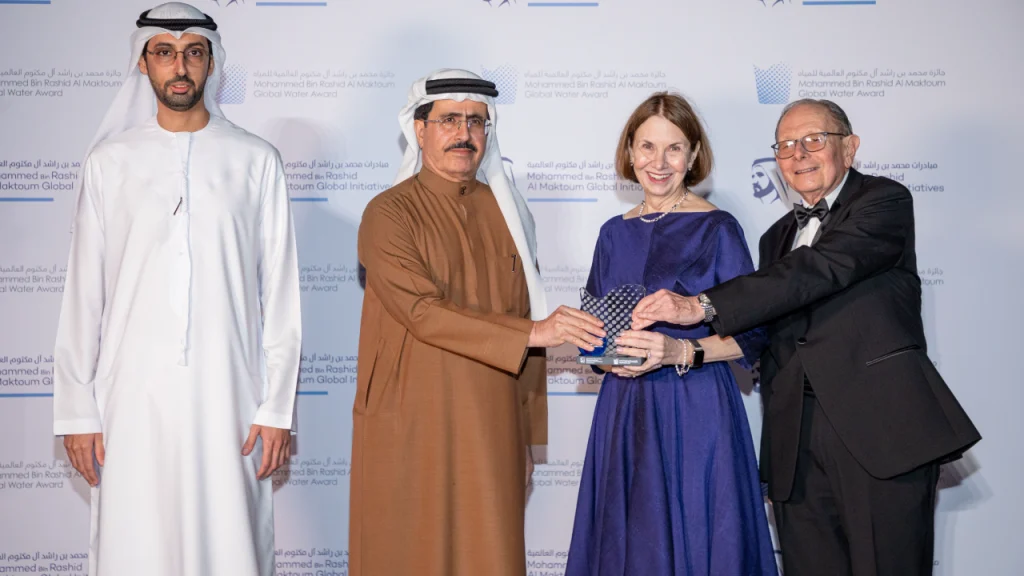
https://www.youtube.com/watch?v=oXSo9q2WzB4 New York, N.Y., February 22, 2023 — Easy Water for Everyone, a nonprofit that provides a water filtration system to Ghanian villages for free, has won second prize in the small innovative projects category of the 3rd Mohammed bin Rashid Al Maktoum Global Water Award. “We’re thrilled and honored to have our unique water filtration system recognized by His Highness Sheikh Mohammed bin Rashid Al Maktoum,” said Linda Donald, co-founder of Easy Water for Everyone. “Easy Water’s purification solution is groundbreaking, accessible, and resource-efficient.” Developed in collaboration with Israel-based NUFiltration, LTD, Easy Water’s NUF500 gravity system produces 17 gallons of purified water per minute for Ghanaian villages that draw their water from the polluted Volta River. Research has shown that after installation of Easy Water’s system, cases of diarrhea plunged 70 percent among children and adults. Founded by Ms. Donald and Dr. Nathan Levin, a nephrologist, Easy Water for Everyone’s mission is to bring pure and safe drinking water to every person who lives in a rural community with no access to electricity. “We believe that every human deserves lasting access to safe water and sanitation,” said Dr. Levin, “and the opportunity to spend more time learning, growing, working and thriving, instead of walking for water and fighting off illness.” The 3rd Mohammed bin Rashid Al Maktoum Global Water Award encourages the development of sustainable and innovative solutions for water scarcity by research centers, individuals and innovators worldwide. The United Arab Emirates Water Aid Foundation (Suqia UAE), under the umbrella of the Mohammed bin Rashid Al Maktoum Global Initiatives, oversaw the award selection process. In addition to the Innovative Projects Award, prize money totaling $1 million was distributed among three other primary categories: Innovative R&D Award, Innovative Individual Award, and Innovative Crisis Solutions Award. There were submissions from 56 countries, and the winners were from eight countries, including Honduras, India, the Philippines, the United States, Kenya, Malaysia, China, and France. His Highness Sheikh Mohammed bin Rashid launched Suqia UAE in 2015 to contribute to solving the global water crisis by developing solutions for water scarcity and providing potable water for communities suffering from water shortages and pollution. Saeed Mohammed Al Tayer, chairman of the Board of Trustees of Suqia UAE, thanked His Highness Sheikh Mohammed bin Rashid for receiving the winners. He praised the impact of the Mohammed bin Rashid Al Maktoum Global Water Award, which, he said, was in line with the UAE’s aim to effectively contribute to providing solutions to global challenges. “The UAE is synonymous with generosity through pioneering initiatives and projects that help underdeveloped societies face challenges and achieve sustainable development,” Al Tayer said. “We were pleased with the level of interest and participation in the award and the quality of innovations presented by companies, research centers, institutions and innovators worldwide.
Purifying polluted water through hemodialysis filters for poor villages without electricity: the Easy Water for Everyone approach and experience
Purifying polluted water through hemodialysis filters for poor villages without electricity: the Easy Water for Everyone approach and experience Friedrich K. Port; Jochen G. Raimann; Joseph Marfo Boaheng; Philip K. Narh; Seth Johnson; Ben Lipps; Linda Donald; Nathan W. Levin Water Supply (2020) 20 (8): 3502–3510. Abstract: Given the need for treating polluted drinking water, our NGO Easy Water for Everyone has produced pure water in remote villages without power and achieved health benefits. With the goal of reaching more needy populations we report our experience and successful implementation in Ghana. In 20 villages polluted water is pumped every few days to an elevated water tank connected to a filtration device leading to a faucet. Repurposed hemodialyzers with polysulfone membranes, having a filter pore size of 0.003 micrometres, prevent passage of pathogens. Gravity from a 3 m height pushes water through the membrane whenever the faucet is open. Backflushing of the hemodialyzer membrane three times daily removes built-up organic material and maintains flow rates of 250 L/hour for at least two years. Filtered water has been culture-negative. Management of problems and optimization are reported. The five-year cost per village of <1,500 population averaged <2 US$ per day.
Long-Term Sustainability of Using Hemodialyzers to Inexpensively Provide Pathogen-Free Water to Remote Villages Lacking Electricity
Long-Term Sustainability of Using Hemodialyzers to Inexpensively Provide Pathogen-Free Water to Remote Villages Lacking Electricity by Friedrich K. Port, David A. Goodkin, Jochen G. Raimann, Joseph M. Boaheng, Seth Johnson, Mathieu Lamolle, Linda Donald, Nathan W. Levin Easy Water for Everyone, White Plains, NY 10606, USA Water for Everyone, Le Vieux Bourg 7, 1026 Denges, Switzerland Received: 22 December 2021 / Revised: 15 January 2022 / Accepted: 21 January 2022 / Published: 4 February 2022 (This article belongs to the Special Issue Application of Sustainable Chemical and Biological Methods for Pollutants Removal from Water) Abstract: The provision of clean water to remote communities is a major goal of both the World Health Organization and the United Nations. We report on the long-term sustainability of filter sterilizing polluted water in remote villages in Ghana that lack electricity. Contaminated water pumped several times a week via a gasoline pump into a 1000 L elevated tank is filtered through polysulfone hemodialyzers on demand. The 3 nm fiber pore size rejects all bacteria, parasites, and viruses. Villagers flush organic matter from the dialyzers thrice daily to maintain a flow of up to 250 L/h. Having previously reported a 73% reduction in diarrheal episodes, we now address system sustainability. After passing through the hemodialyzer filters, a fecally polluted water source remains consistently free of pathogens even after the system has been in place for >1 year in most villages. Filters are easily replaced when needed. The daily cost for unlimited clean water is less than USD 2.22 per village over five years. Villagers have continued to independently fill the tank and flush the system because they appreciate the clean water and health benefits. We demonstrate that over 2–6 years this system providing pathogen-free drinking water can be maintained independently by villagers for long-term sustainability. It does not require electricity nor disinfectants to be added to the product water and is ready for far broader application in similarly remote settings. Keywords: purified water; membrane filtration; filter longevity.