
Why Your Donation Matters
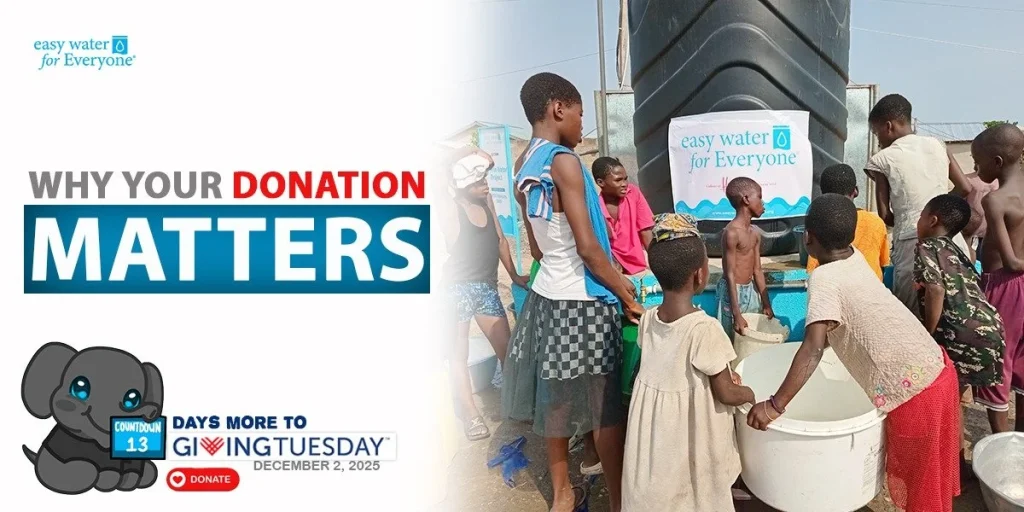
A Story of Silent Suffering In a remote village along the Volta River in Ghana, a young nursing mother sits under the heat of the midday sun, cradling her frail newborn. Her baby’s breaths are shallow, interrupted by painful cries. The only water Ama has access to is drawn from a muddy stream several miles away, contaminated by animal waste and invisible killers. She knows the risk, but she has no choice. As she rocks her child, waiting for the nearest clinic boat, death stares at them both. Her story is not an isolated one. Across Africa, nursing mothers are forced to make impossible decisions every single day, balancing thirst against danger, and hope against fear. The tragedy is preventable. But for millions of women like Ama, clean water is still a luxury. When Innocent Lives Hang in the Balance Child mortality rates in many rural African villages remain heartbreakingly high, not because of rare diseases, but because of dirty water. Diarrhea, cholera, schistosomiasis, and other waterborne infections silently steal the lives of thousands of children under age five every year. These are deaths that clean water could stop instantly. A simple donation becomes more than money; it becomes life, health, and the chance to see tomorrow. Children Whose Dreams Are Being Interrupted In villages across Ghana, Senegal, and Uganda, schoolchildren are fighting a battle they never chose. Instead of learning multiplication tables, they are homesick from waterborne diseases, or walking to fetch dirty water before class. Their futures hang in limbo. Their dreams are blurred by sickness and struggle. But your donation can place a schoolchild back in the classroom, healthy and hopeful, where they belong. Why Your Donation to Easy Water for Everyone Matters This Giving Tuesday 1. You Give Life: Clean water cuts waterborne diseases by up to 88%, protecting mothers, infants, and entire villages. 2. You Keep Children in School: When water is safe, absenteeism drops, academic performance rises, and dreams begin to flourish. 3. You Strengthen Rural Healthcare: Nurses like Gifty at the Pediatorkorpe Health Centre can treat fewer preventable illnesses and focus on real emergencies. 4. You Support a Proven, Science-Backed Solution: EWfE’s Gravity Water Station (GWS) removes bacteria and viruses without electricity, making it ideal for last-mile villages. 5. You Equip Communities to Thrive, Not Just Survive: Your donation increases productivity, reduces time spent fetching water, and boosts local economic activity. This Giving Tuesday, Choose to Save a Life On December 2, 2025, the world will come together to give. But you don’t have to wait. Your early donation today can stop a child from dying, save a nursing mother from despair, and keep a schoolchild in class tomorrow. Give now. Give hope. Give life.Your donation matters more than you may ever know.
#Giving Tuesday: Clean water gave Princess her smile. Imagine what your gift could do
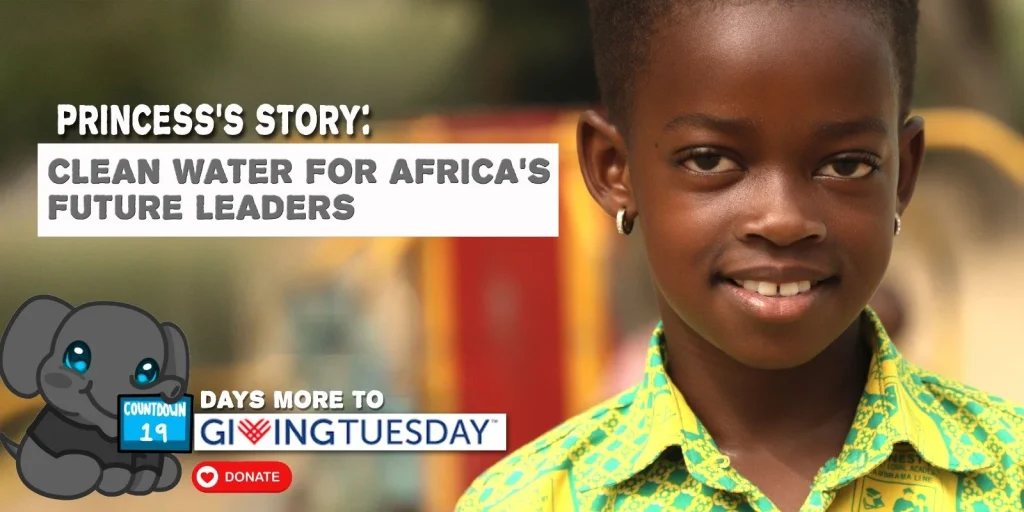
In this video, we meet little Princess Akorli, who shares how Easy Water for Everyone’s Gravity Water Station has transformed life at her school, giving her and her classmates access to clean, safe water every single day. Listen to Princess’s voice. Hear the difference clean water has made in her life. This is what real impact looks like, not just in statistics, but in the bright eyes of a Class 5 pupil who can now focus on learning without the fear of falling sick from dirty water. Her story is a powerful reminder that clean water means more time to learn, grow, and dream. Watch full story here: https://www.youtube.com/watch?v=RxPCerMKias But here’s the reality: millions of children across Africa still don’t have what Princess now enjoys.They’re missing school because of waterborne diseases.They’re walking miles for contaminated water.They’re being denied the simple chance to just be kids and focus on learning. We can change this, but we need you. December 2 is #GivingTuesday. Join us to bring clean, safe water to more schools across Africa. Every child deserves what Princess has: health, hope, and the freedom to dream big. It’s amazing what a single act of giving can do. Your support, no matter the size, helps us bring life-saving water to families who depend on your kindness. Don’t wait for Giving Tuesday, start making an impact today. https://www.youtube.com/watch?v=RxPCerMKias
Giving Tuesday 2025: Be Part of Something Bigger
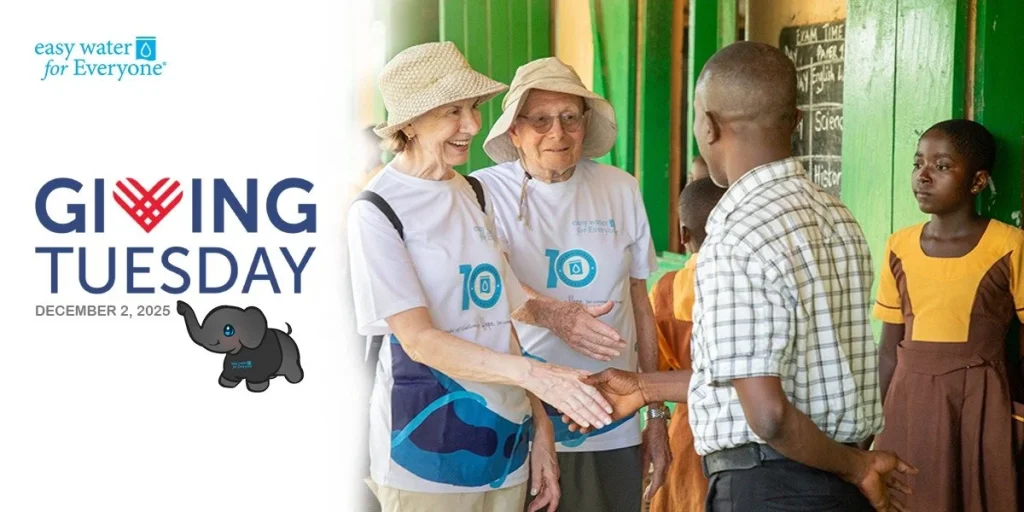
Giving Tuesday isn’t just another day on the calendar. It’s a global movement of generosity, compassion, and collective action. It’s the day when millions of hearts unite around a simple but powerful truth: together, we can change the world. For Easy Water for Everyone, this year’s Giving Tuesday holds special significance. It marks not just a day of giving, but a celebration of 10 remarkable years of transformation, made possible by supporters like you. Your Generosity Has Rewritten Stories Over the past decade, you’ve done more than donate dollars. You’ve given: ✨ Hope to mothers who no longer walk miles for contaminated water✨ Health to children who can now grow up without waterborne diseases✨ Dignity to communities who can focus on education, work, and dreams instead of survival✨ Sustainability through locally-managed systems that will serve generations to come Because of your support, we haven’t just installed water systems, we’ve built a legacy of self-sufficiency. Our Gravity Water Stations perform reliably year after year. All devices since May 2015 are functioning, and none have been replaced. The communities themselves help to support these systems through manageable contributions. And with the assistance of AquaCare Solutions, our dedicated maintenance department has been recording maintenance data on the Device Log since 2017, we’ve ensured that clean water keeps flowing for decades ahead. Something Exciting Is Coming… Here’s what we can’t wait to share with you: In the coming weeks, you’ll experience our journey IN A UNIQUE WAY. We will take you down memory lane, through the very heart of our 10th anniversary celebration You’ll see, through a truly unique lens, what your compassion has made possible. They’re proof that your belief in our mission changes lives. This special feature will paint the perfect picture of where we’ve been and illuminate the path ahead in the next decade. Consider this your invitation. Anticipate. Get ready to be moved. Why Wait? Your Impact Can Start Today While Giving Tuesday is December 2nd, you don’t have to wait to make a difference.
BREAKING NEW GROUND AT THE MOLE XXXVI WASH CONFERENCE
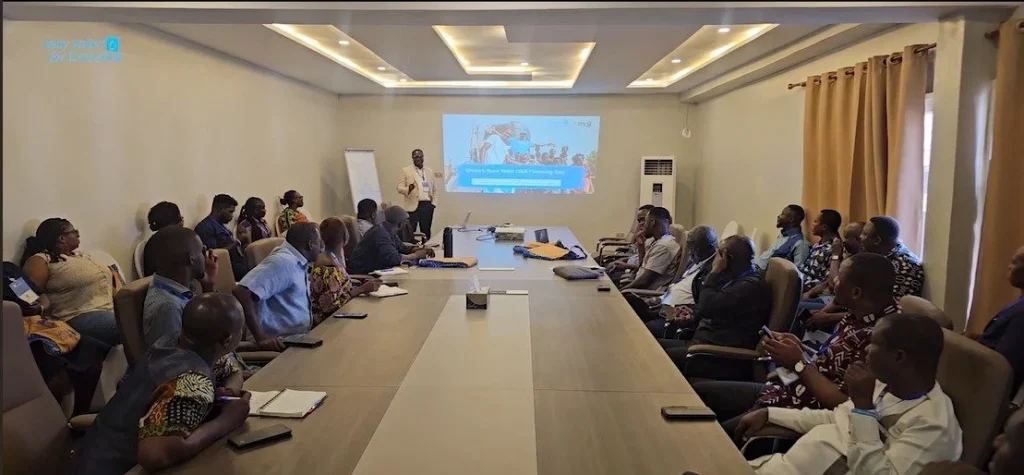
The Chief Operating Officer of Easy Water for Everyone, Harrison Matti, with support from Lydia Senanu, Project Director at Project Maji, delivered a compelling presentation at the #𝗠𝗼𝗹𝗲𝗫𝗫𝗫𝗩𝗜𝗪𝗔𝗦𝗛 𝗖𝗼𝗻𝗳𝗲𝗿𝗲𝗻𝗰𝗲 𝗶𝗻 𝗔𝗰𝗰𝗿𝗮 on Wednesday, November 5, 2025. Titled “𝗚𝗵𝗮𝗻𝗮’𝘀 𝗥𝘂𝗿𝗮𝗹 𝗪𝗮𝘁𝗲𝗿 𝗢&𝗠 𝗙𝗶𝗻𝗮𝗻𝗰𝗶𝗻𝗴 𝗚𝗮𝗽: 𝗘𝘃𝗶𝗱𝗲𝗻𝗰𝗲 𝗙𝗿𝗼𝗺 𝟱𝟬 𝗦𝗶𝘁𝗲𝘀 𝗼𝗻 𝗖𝗼𝘀𝘁𝘀, 𝗥𝗲𝘃𝗲𝗻𝘂𝗲, 𝗮𝗻𝗱 𝗖𝗼𝗻𝘀𝘂𝗺𝗽𝘁𝗶𝗼𝗻,” the presentation drew the attention of many #WASH sector players, including representatives from government agencies and international non-profit organizations. In his presentation, Harrison revealed that many rural and last-mile water systems in Ghana fail not only due to inadequate operations and maintenance (O&M) financing but also because of unsustainable tariff models. The research highlights that 𝘀𝗵𝗮𝗿𝗲𝗱 𝗳𝗶𝗻𝗮𝗻𝗰𝗶𝗻𝗴 𝗮𝗻𝗱 𝗽𝗿𝗲𝗱𝗶𝗰𝘁𝗮𝗯𝗹𝗲 𝗰𝗼-𝗳𝘂𝗻𝗱𝗶𝗻𝗴 𝗺𝗲𝗰𝗵𝗮𝗻𝗶𝘀𝗺𝘀 𝗮𝗿𝗲 𝗲𝘀𝘀𝗲𝗻𝘁𝗶𝗮𝗹 to ensure the long-term sustainability of rural water systems. 𝗪𝗮𝘁𝗰𝗵 𝘁𝗵𝗲 𝗳𝘂𝗹𝗹 𝗽𝗿𝗲𝘀𝗲𝗻𝘁𝗮𝘁𝗶𝗼𝗻 𝗵𝗲𝗿𝗲: https://lnkd.in/e46ie6zs 𝗦𝗵𝗮𝗿𝗲 𝘆𝗼𝘂𝗿 𝘁𝗵𝗼𝘂𝗴𝗵𝘁𝘀 𝗼𝗻 𝘄𝗵𝗮𝘁 𝘀𝘁𝗮𝗻𝗱𝘀 𝗼𝘂𝘁 𝗺𝗼𝘀𝘁 𝘁𝗼 𝘆𝗼𝘂.
Global Handwashing Day: How Easy Water for Everyone Is Transforming Hygiene in Schools Across Africa
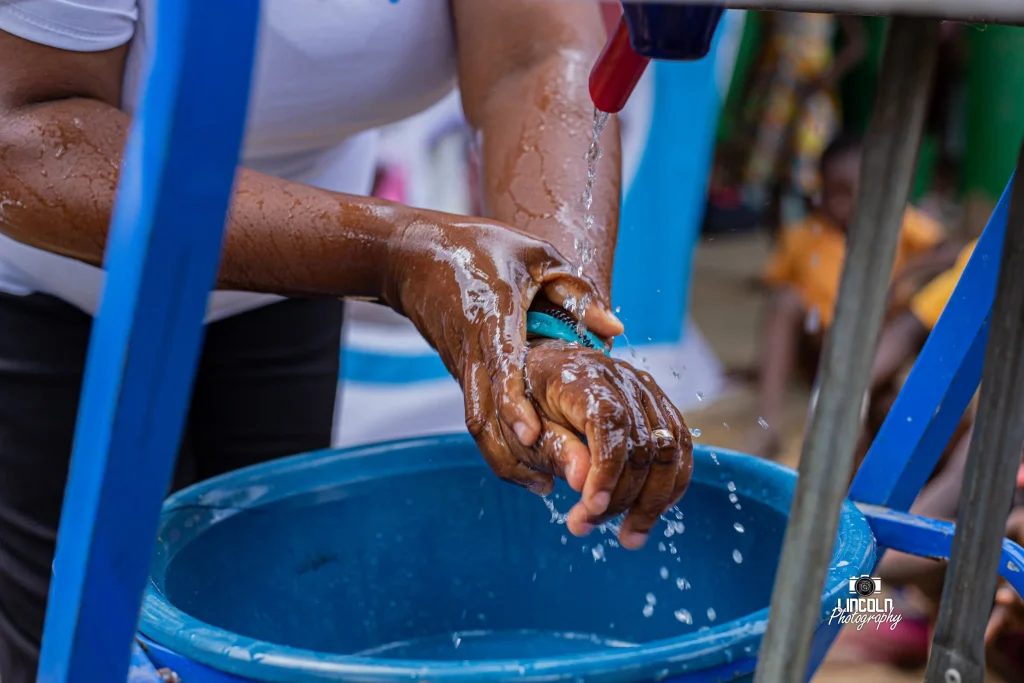
Every year on October 15, the world observes Global Handwashing Day to highlight one simple yet life-saving truth: clean hands save lives. Handwashing with soap is one of the most effective ways to prevent diarrheal and respiratory diseases, yet millions of children in Africa still lack access to clean water and proper hygiene facilities. According to the World Health Organization (WHO) and UNICEF, around 2.2 billion people globally lack safely managed drinking water services. In sub-Saharan Africa, more than 40% of schools still have no basic handwashing facilities. Without clean water, hygiene lessons remain theory, and children’s health and education suffer as a result. Here at Easy Water for Everyone (EWfE), we believe that every child deserves the opportunity to thrive in a healthy learning environment. Our Gravity Water Filtration Stations, built with 0.003-micron membranes, remove bacteria, viruses, and pathogens from contaminated water, providing clean, safe, and reliable water to some of the hardest-to-reach schools and communities in Africa. In addition to our filtration technology, we conduct regular hygiene advocacy campaigns in schools within our beneficiary villages. These initiatives teach children the importance of proper handwashing and help instill lifelong hygiene habits. Teachers in schools like Pediatorkorpe Basic and Alorkpem have witnessed healthier pupils, fewer absences, and renewed enthusiasm in classrooms. This year’s Global Handwashing Day theme, “Be a Handwashing Hero,” calls on everyone, from children to parents, teachers to health workers, to take small yet powerful actions to protect their health and the well-being of others. Together, we’re proving that when clean water flows, good health follows. Join us in spreading the impact. Partner with us to bring clean water and better hygiene to every child, one village at a time.
The Dreams of Children Flow Where Clean Water Goes
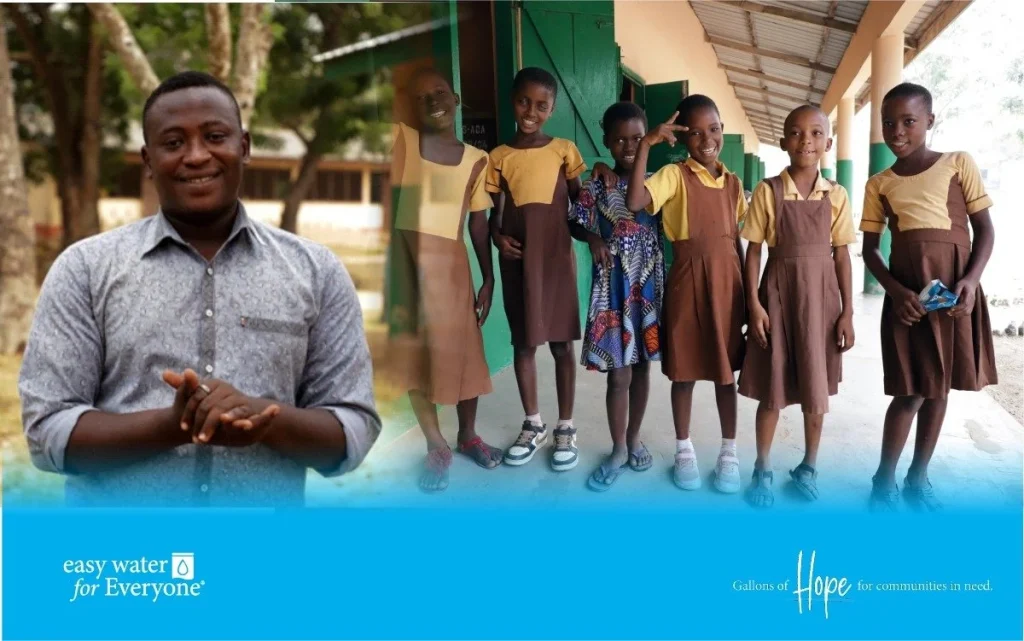
Access to safe and clean water is a fundamental right, yet many basic schools in Ghana continue to struggle without it. According to UNICEF, nearly 3 in 10 basic schools in Ghana lack access to safe drinking water, forcing children to rely on unsafe sources. The effects are dire: waterborne diseases such as diarrhea and typhoid contribute significantly to absenteeism, malnutrition, and poor academic performance. At Easy Water for Everyone (EWfE), we believe every child deserves a future unhindered by the burden of unsafe water. Through our innovative gravity-fed water filtration systems, we are transforming the lives of thousands of schoolchildren across Ghana, Senegal, and Uganda. Our interventions have not only reduced waterborne diseases by up to 88% in beneficiary villages, but also given back precious classroom hours to students. In the attached video, Ibrahim Haruna, a teacher at Pediatorkorpe Basic School on one of the estuary islands off the coast of Ada in the Greater Accra Region, draws a clear distinction between life before and after EWfE’s intervention. He shares how the Gravity Water Station has drastically improved the health of the children, increased school attendance, and brought lasting relief to the wider community. His testimony is a living reminder of the change clean water brings. Watch full interview here: https://www.youtube.com/watch?v=ZNjLXydk8CI This work is directly contributing to the achievement of Sustainable Development Goal 6 (Clean Water and Sanitation), ensuring that children in even the most remote schools, such as this island community, can learn, grow, and dream without the fear of contaminated water. But there is still more to do. Many schools are still waiting. Many children are still at risk. 👉Join us in this mission. Together, we can make access to clean water in every school in Ghana a reality. This has been part of our mission for the past 10 years and will continue to be for the next 10 years. Partner with EWfE today, because no child should have to choose between education and safe drinking water.
Life Without Clean Water Is Unimaginable
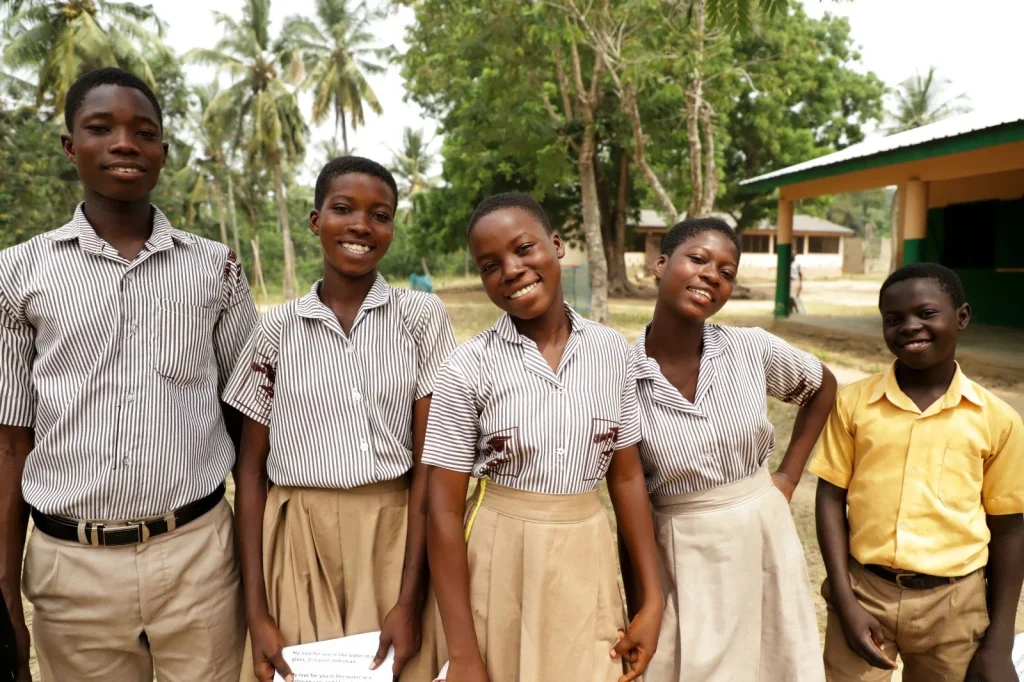
“When I woke up this morning, the first thing I did was drink water because I was very thirsty. But as I gulped it down, I thought of the hundreds of schoolchildren elsewhere who don’t have access to clean drinking water. Every activity in my morning routine depends on water, from brushing my teeth and bathing to washing my hands and having breakfast. I can’t imagine life without it!” These are the heartfelt words of 15-year-old Benedicta Bafflo, a student at Pediatorkorpe Basic School, who reminds us just how vital water is from home to classroom. Benedicta also shares the story of her best friend, Priscilla:“She only gets access to clean water when she comes to school. On weekends, she has no choice but to drink from the Volta River, which is extremely contaminated. How can they wash their hands, uniforms, bathe properly, or even respond to nature’s call safely?” This is the reality for many children living in island communities where #EasyWater has not yet reached. But with your support, we can change that story. 💧 Your contribution is critical to saving lives and giving hope to children and families still waiting for safe, potable water.
Marian once walked miles for water. Today, she walks towards her future.
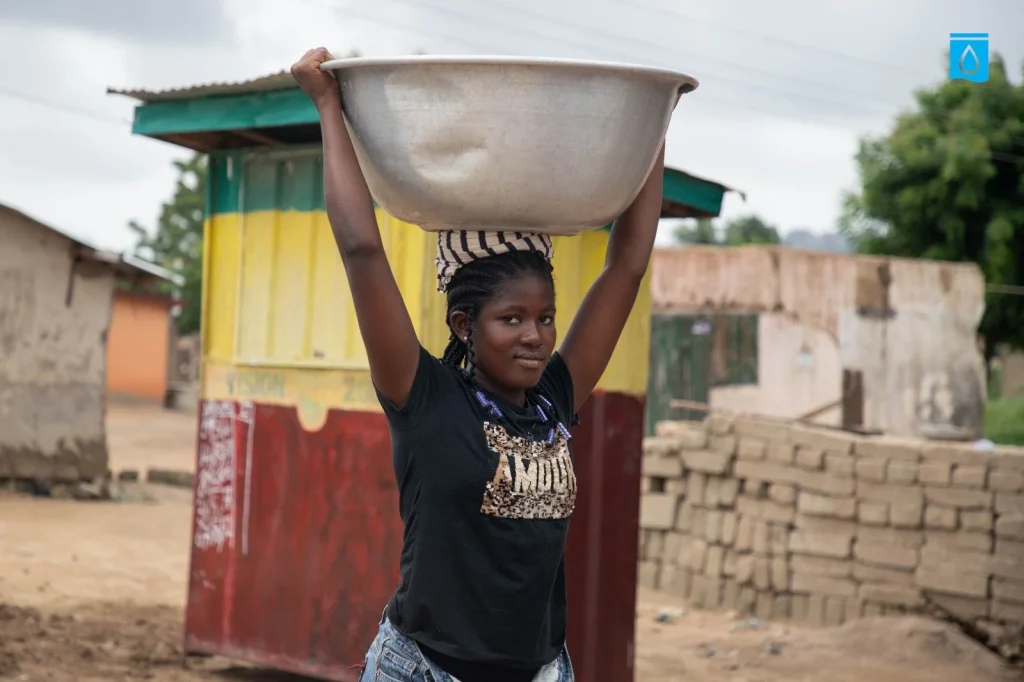
In many parts of Africa, women and girls remain among the most vulnerable in society. This is not an illusion; it is the reality in villages across Ghana, Senegal, and Uganda. In a typical rural community, fetching water is the daily responsibility of women and girls. They trek long distances, often to contaminated sources, carrying the heavy burden of survival on their shoulders. Such was the story of 16-year-old Marian. Day after day, she spent hours searching for water instead of focusing on school and her dreams. But everything changed when Easy Water for Everyone (EWfE) brought clean, safe water to her village. Today, Marian no longer worries about diseases or wasting precious hours fetching water. With our gravity water station nearby, she now has time to learn, grow, and thrive. When clean water flows, life flows, bringing health, hope, and opportunity. Let’s continue raising awareness so more girls like Marian can have the chance to dream beyond survival. Together, we can rewrite the story of water for thousands of women and girls.
Ending Child Deaths: Your Support Still Matters
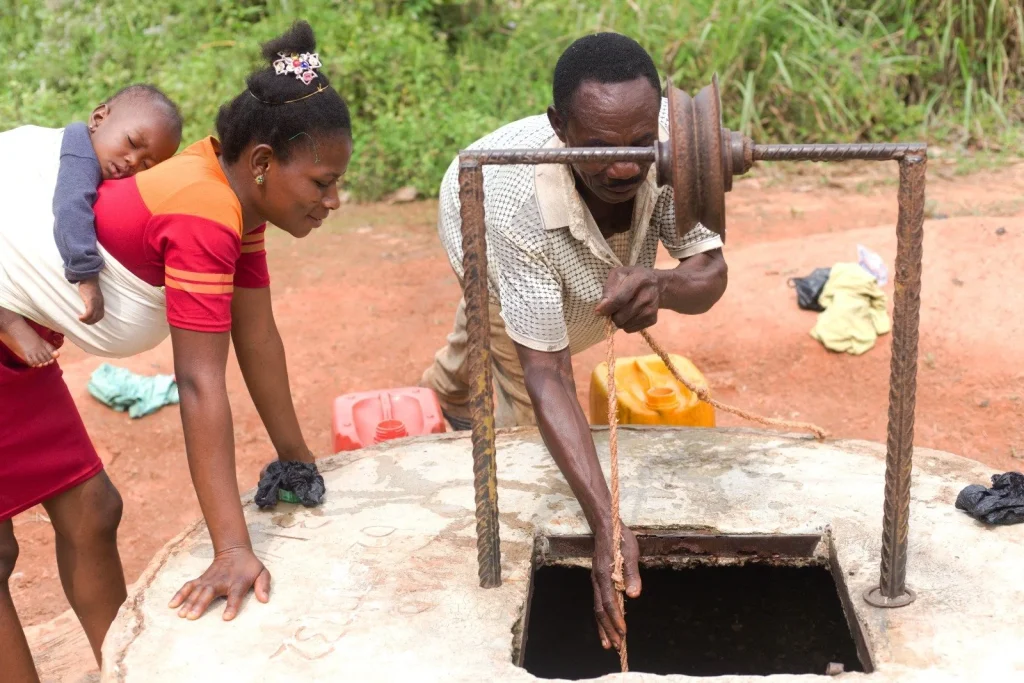
In many parts of the world, a glass of water brings refreshment. In others, it brings disease or even death. Diarrhea remains one of the leading killers of children under five, claiming over 400,000 young lives globally each year. The majority of these deaths, more than half, occur in Sub-Saharan Africa, where access to safe water, sanitation, and hygiene remains dangerously limited. Juliana Amanfi, a 22-year-old nursing mother living in a village near Kwaku Bodomkrom in Ghana’s Asutifi North District (Ahafo Region), knows this struggle firsthand.She recounts the heart-wrenching story of how her one-year-old baby fought to survive chronic diarrhoea caused by contaminated water. “I used to fetch water from an open borehole, left at the mercy of the weather, to cook and bathe my child. The effect on my son was unimaginable—especially with no medical facility nearby,” she said, her voice heavy with emotion. Relief came when we intervened with a much-needed solution. Today, Juliana and her baby’s story has changed. With access to clean, potable water, her child is no longer at risk of developing chronic water-related illnesses. According to UNICEF and WHO, more than 1 in 13 children in Sub-Saharan Africa die before their fifth birthday, many from preventable, waterborne diseases like diarrhea. It’s a heartbreaking reality in a world where clean water and treatment solutions already exist. At Easy Water for Everyone (EWfE), we believe that no child should suffer or die because of the water they drink. For over a decade, we have delivered scientifically validated water filtration technology to some of the most underserved, off-grid communities across Ghana, Senegal, and Uganda. Our technology doesn’t just provide water; it protects lives. Children who once battled chronic diarrhea are now healthy, back in school, and thriving. Parents who feared the worst now watch their children grow strong, all because clean water flows safely from our device. But our work is far from done. Thousands of nursing mothers still rely on contaminated sources for their drinking water. Your support can help us reach them, with the technology they need not just to survive, but to live well. Behind every child lost to dirty water is a family in mourning. We can prevent the next death. Partner with us today. Help us save lives.
Financing WASH in Last-Mile Communities: Rethinking Partnerships in a Changing Donor Landscape
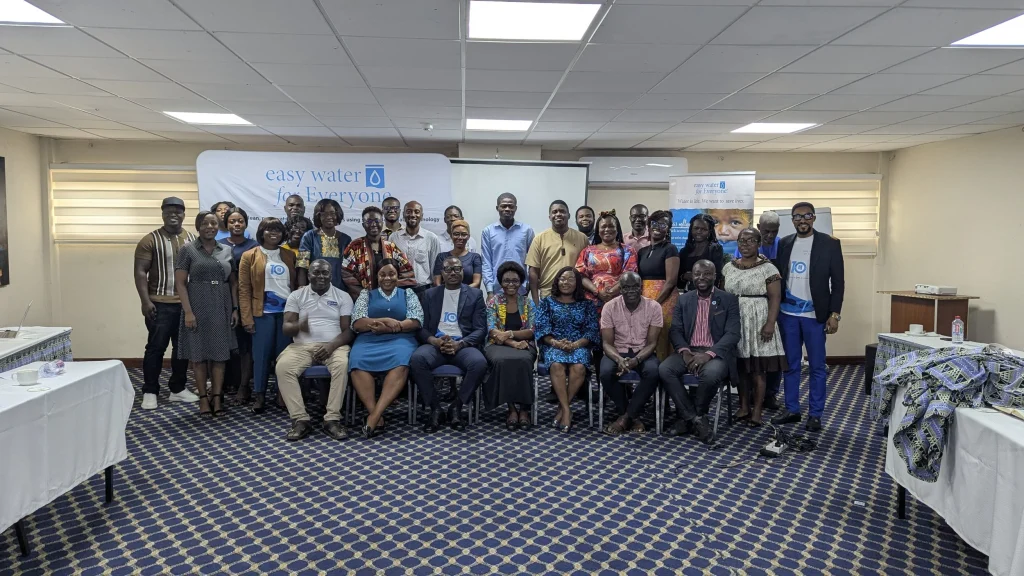
As the current donor landscape and national policy increasingly emphasize cost recovery, water services can no longer be provided entirely for free. However, this shift presents significant challenges in last-mile communities, where the realities on the ground make revenue collection difficult. In many of these underserved areas, some households can afford to pay for water, but many cannot. Schools and health facilities also expect to access water either for free or at highly subsidized rates. This raises a critical question: Who pays for water for schools, health facilities, and households that genuinely cannot afford it? Stakeholder Workshop: A Call to Rethink WASH Financing To address this pressing issue, Easy Water for Everyone (EWfE), in partnership with the Coalition of NGOs in Water and Sanitation (CONIWAS) and the Health Promotion Division of the Ghana Health Service, hosted a high-level stakeholder workshop under the theme: “Financing WASH in Last-Mile Communities: Rethinking Partnerships in a Changing Donor Landscape.” The event took place on Wednesday, July 30, 2025, at the Sunlodge Hotel in Accra, as part of Ghana’s WASH Week celebrations. Keynote Reflections Delivering the keynote address, Harrison Matti, Chief Operating Officer of EWfE, shared reflections from over a decade of operations. He highlighted the impact of EWfE’s clean water interventions while emphasizing the growing funding gap and revenue generation challenges affecting the sustainability of WASH programs in remote areas. “Non-profit organizations operating in these areas are therefore confronted with sustainability issues. Without adequate revenue from user fees, it becomes difficult to maintain water systems and ensure uninterrupted service delivery,” he observed. He noted that while some District Assemblies, particularly in the Ahafo Region, have contributed to capital expenditures for water infrastructure, there remains a significant gap in funding for schools and those who cannot afford them. Expanding the Conversation Suzzy Abaidoo, a representative of the Ministry of Works, Housing, and Water Resources, shared that the ministry plans to establish a national technical group to broaden WASH dialogue and include non-water sector actors in policymaking. Meanwhile, Gladys Gbadagbali from the Health Promotion Division (GHS) emphasized the importance of linking WASH with health interventions: “Advocacy for collaboration on WASH and health programs is essential to improving health outcomes, reducing disease burdens, and building resilient health systems, particularly in fragile and humanitarian contexts,” she stated. Key Takeaways and Action Points The dialogue produced several strategic recommendations, reaffirming EWfE’s commitment to innovative, inclusive, and community-led solutions. Notable takeaways include: Advocating for a portion of the 10% District Assembly Common Fund allocated for Water to be earmarked for maintaining community water systems. Scaling the Pay-to-Fetch model as a sustainable, community-driven financing mechanism. Conducting deeper affordability and ability-to-pay assessments before implementing new projects. Strengthening collaboration with District Assemblies in project planning, implementation, and oversight. Encouraging CONIWAS to lead the development of a national framework that clearly defines “last-mile communities” for policy and funding purposes. Partnering with faith-based organizations to support project outreach and delivery. Exploring smart investment strategies to reduce over-reliance on revenues generated at the community level. Broad-Based Participation This high-level engagement convened a diverse group of stakeholders, including representatives from the Ministry of Works, Housing, and Water Resources, Ministry of Local Government, Chieftaincy & Religious Affairs, Skyfox Ltd, IRC, Saha Global, Janok Foundation, Water and Sanitation for Urban Populations, ProNet North, Ghana WASH Journalists Network (GWJN), and Le Korsa. A Call for Global Support As the donor landscape evolves, organizations like EWfE is adapting through smarter partnerships, data-driven models, and sustainable financing strategies. But we cannot do this alone. We call on global donors, development partners, and advocates to join us in ensuring that no community is left behind. Together, we can